


Experts believe that too much sugar may make dehydration and other symptoms worse. This is likely https://dev-blogbar.pantheonsite.io/why-does-my-brain-feel-like-mush-causes-solutions-4/ because of the interaction of sugar and water within the cells. Higher sugar intake causes the cells in the body to transfer more water and increase urination.
Symptoms of dehydration
Excessive consumption of wine, like any alcoholic beverage, can lead to dehydration. Binge drinking or consuming large amounts of wine in a short period can overwhelm the body’s ability to process and eliminate alcohol, leading to dehydration. Alcohol dehydrates us through its diuretic effect and contributes to fluid loss through sweating or vomiting. Extreme dehydration for a long period of time can be extremely damaging to our body and can even be fatal. Be sure to stay hydrated throughout the day, and if we’re going to be drinking alcohol, be sure to include water whenever possible. One of the main causes of a hangover is dehydration, and drinking alcohol dehydrates you faster thanks to its diuretic effects.
- Sign Up for Wine Spectator’s Free Email Newsletters and stay up-to-date with all things wine.
- Luckily, it’s easy to prevent these symptoms with a few lifestyle changes.
- While salty snacks might slightly increase water retention, they can also contribute to high blood pressure and should be consumed in moderation.
- If the wine is at an average 13 percent alcohol content like most wines, its equilibrium point may leave you dehydrated in theory, but it’ll still be better than not drinking anything at all.
Sleeping Pill Overdose: Signs, Symptoms, To Do
Generally, the higher the alcohol content of a beverage, the more dehydrating it can be. Drinks containing high amounts of alcohol, caffeine, and sugar are most likely to perform as diuretics in the body and promote dehydration. Below is a list of drink types that fall within these categories. Hydration is the process of ensuring the body has enough water. Drinks that may result in dehydration can include alcoholic, caffeinated, and sugary beverages.
Should You Drink Alcohol to Stay Hydrated?
- Its impact depends heavily on factors such as the amount consumed, your hydration levels beforehand, and your individual body’s response.
- Symptoms of dehydration may include increased thirst, dry mouth, fatigue, dizziness, darker urine, decreased urine output, and headache.
- After all, beer is about 95 per cent water and only five per cent alcohol.
- Drinking after a nutrient-dense meal of healthy carbohydrates, protein, fiber, and fats provides more of a “slow release” effect.
- And for 80 kilograms, about 80 millilitres per hour, and so on.
Drinking beer, a glass of wine, or other types of alcohol introduces a substance into the body that causes certain reactions. Therefore, alcohol induced dehydration can occur when drinking alcohol without having a glass of water–or more, depending on how much alcohol you’re drinking. While the jury is still out on whether alternately drinking water while drinking alcohol is beneficial to staying hydrated, we don’t think it can do any harm.

Our liver quickly works to break down acetaldehyde into acetate. According to science, about 90% of alcohol is eliminated by our liver, but 2-5% of alcohol leaves our body through urine, sweat, or breath. And since alcohol increases our heart rate, it makes us sweat more, which accelerates how fast we heroin addiction become dehydrated. Contrary to popular belief, alternating alcoholic drinks and water will not help you avoid dehydration. But you can certainly ensure you are as hydrated as possible before consuming alcohol.
Nevertheless, it is a suggestion that is worth taking because If you don’t drink enough water with alcohol, you can become dehydrated quickly. “Essentially, when you’re dehydrated, you’ll feel alcohol’s effects sooner and for longer,” Pfau says. A vodka with soda is likely more hydrating than just a shot of vodka because you’re consuming more fluids from the soda. But prolific pee production isn’t the only way alcohol dehydrates you. Alcohol delays stomach emptying, which can cause vomiting, a sure way to become dehydrated 1. For reference, a standard drink—12 ounces of beer, 5 ounces of wine, 1.5 ounces of liquor—has 14 grams of alcohol, according to the National Institute on Alcohol Abuse and Alcoholism 3.
Drinking red wine excessively can lead to health issues like liver disease and addiction. The key to making sure a night out doesn’t turn into a head-pounding hangover is to drink plenty of water throughout, Mieses Malchuk says. That will increase your ability to reabsorb water, and leave you more likely to wake up feeling sparkling and ready to face the day — or at least less inclined to put a pillow over your head. For starters, if you drink wine while on an empty stomach, your intestines will absorb the alcoholic content and the liquid very quickly. Since there isn’t any food to get in the way, this will result in your body absorbing what water is already in the wine, leaving the alcohol in your system by itself. Your body’s metabolism can turn some components of alcohol into nutrients and energy.

Is Wine or Beer More Dehydrating?
Arginine vasopressin and aldosterone are regulated by the body’s salt and water balance. However, no consistent theory exists on the extent of diuresis due to alcohol consumption. A study in rats from 1968 has shown that the diuretic response to alcohol is directly related to alcoholic concentration 11. This would suggest that strong (distilled) alcoholic beverages may provoke more dehydration than weak alcoholic beverages. The US Institute of Medicine concluded in 2005 13 that the effect of alcohol consumption on increasing urine secretion is transient, and would not result in appreciable fluid losses.
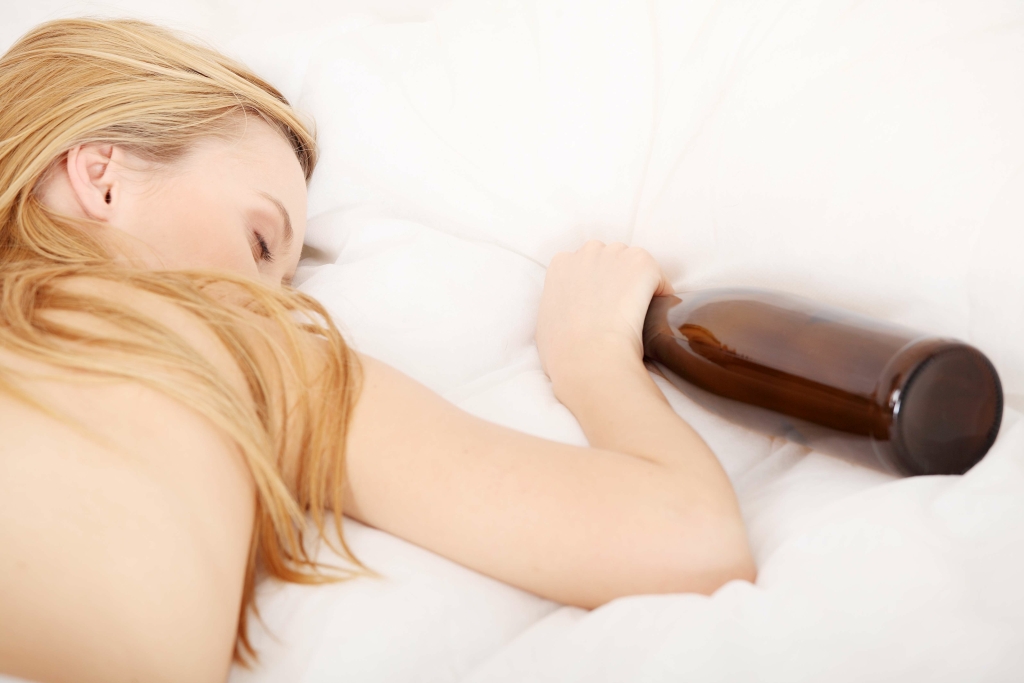
Does alcohol dehydrate you?
While the liquid component of many drinks, and even certain foods, can help hydrate the does wine dehydrate body, quite a few liquids can have the opposite effect. However, adding in a mixer, such as tonic water – at least 75ml for a single and 150ml for a double – will balance out this loss. Red wine, with its rich history and complex flavors, holds a prominent place in many cultures. From casual dinners to formal celebrations, it often serves as a centerpiece. But beyond the social aspects, understanding its physiological effects, particularly concerning hydration, is crucial for responsible enjoyment.
What are the symptoms of an allergic reaction to sulfites in wine?
Although the kidneys remove waste products, most of the water loss is due to the effect of vasopressin. The action of suppressing this hormone exacerbates the diuretic effect and leads to dehydration. In addition to writing for Everyday Health, she has also written for websites and publications like Food and Health Communications, Today’s Dietitian, iVillage.com, and Rodale Press. If you’re into cooking and you pour some wine into a frying pan then the alcohol disappears almost instantaneously. If you’re out in the desert and you’re in the sun the temperatures could be over 100 degrees centigrade.